Dust It Off: The Surprisingly Powerful Case for Picking Up Your Old Maker Hobbies Again
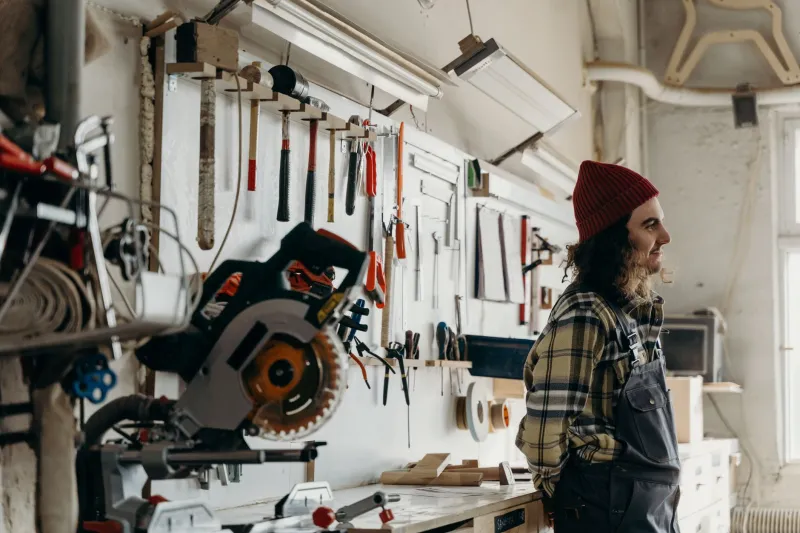
Somewhere in America right now, there's a scroll saw sitting on a workbench collecting dust. A knitting basket shoved under a bed. A half-assembled CNC router frame leaning against a garage wall, patiently waiting. These aren't monuments to giving up — they're paused conversations between a maker and their craft. And a lot of those conversations are worth reopening.
If you've ever felt the quiet tug of a hobby you walked away from, you're not alone. Life gets loud. Jobs change, kids arrive, priorities shuffle. But here's the thing: that pull you feel toward an old skill isn't nostalgia messing with you. It might actually be your brain telling you something important.
Why We Walk Away (And Why It's Not Your Fault)
Most makers don't abandon projects or hobbies because they stopped caring. Usually, it's a perfect storm — a busy season at work, a move across state lines, a creative block that turned into a long silence. Psychologists who study creative behavior describe this pattern as "creative hibernation," a temporary retreat that can feel permanent if we let the guilt pile up long enough.
And the guilt is real. Talk to almost any maker who stepped away from a craft and you'll hear a version of the same story: "I felt like I'd have to start over. Like I'd forgotten everything." That fear of regression — of not being as good as you once were — is one of the biggest things keeping people from coming back.
But here's the truth that seasoned makers will tell you: skills don't vanish. They go dormant. Your hands remember more than you think.
Real Makers, Real Comebacks
Take Marcus Webb, a woodworker from outside Columbus, Ohio. He spent most of his twenties building furniture — small stuff, mostly, for his apartment and friends. Then a demanding job in logistics ate up his evenings, and his tools went into storage for nearly eight years. When he finally set up a workshop again in his new home's basement, he expected to feel like a beginner.
"The first hour was rough," he admits. "But by the end of the weekend, I was cutting dovetails again like I'd never stopped. The muscle memory was all still there. I just had to shake off the rust — literally and figuratively."
Marcus now runs a small side business selling custom cutting boards and shelving, mostly through local craft fairs and Instagram. He credits the comeback not just with a new income stream but with a measurable improvement in his stress levels and overall sense of purpose.
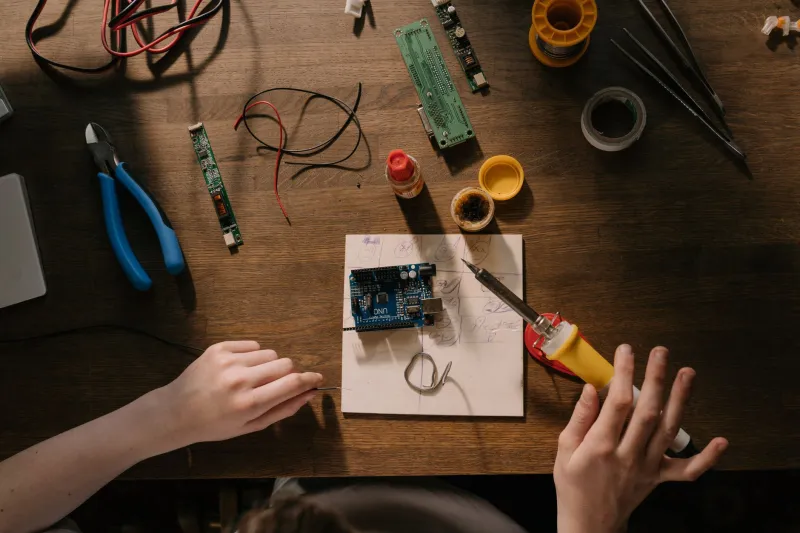
Or consider Priya Anand, a software engineer in Austin who spent her college years deep into electronics and Arduino projects. A decade later, after a friend's comment about a smart home gadget sparked something, she dug out her old components and started building again. Within six months, she'd developed a low-cost automated watering system for small-scale urban gardens — a project that's now been downloaded and replicated by over 2,000 makers worldwide through an open-source platform.
"I thought I was too out of date," she says. "But the fundamentals I learned years ago? They still applied. I just had to catch up on some newer tools, which honestly took about a week of YouTube videos."
The Psychology of the Creative Comeback
Research on skill reacquisition consistently shows that returning to a learned ability is dramatically faster than learning it from scratch. The brain's neural pathways don't disappear — they just need reactivation. In maker terms, that means your first few sessions back might feel clunky, but you're not starting at zero. You're starting at a much more forgiving place than you remember.
There's also a compelling mental health angle here. Studies published in journals focused on occupational therapy and positive psychology have linked hands-on creative activity with reduced anxiety, improved focus, and stronger feelings of self-efficacy — the belief that you're capable of doing hard things. For a lot of people, returning to a craft isn't just a hobby revival. It's a form of self-repair.
Practical Steps for Getting Back Into It
Ready to dust something off? Here's how to make the comeback feel less daunting and more like the fun it's supposed to be.
Start small and set the bar low. Don't aim to finish a major project on day one. Your first session back should just be about touching the tools again, getting reacquainted. Build a small, simple thing. The goal is momentum, not mastery.
Forgive the gap. Seriously. The time you spent away doesn't make you a lesser maker. It makes you a human being who had other priorities. The craft will meet you where you are.
Find your community. One of the fastest ways to reignite enthusiasm is to be around other people doing the thing. Check out your local makerspace, a community workshop, or even an online forum for your specific craft. Shared energy is contagious, and experienced makers are almost universally welcoming to people returning to a skill.
Update your knowledge selectively. You don't need to learn everything that changed while you were away. Focus on what's relevant to what you want to build right now. The rest can come later.
Document the comeback. Share your progress, even the messy early stuff. The maker community genuinely loves a good return story. Your "I haven't done this in ten years" post might be the thing that inspires someone else to pick up their own dusty project.
The Craft Was Always Yours
Here's the thing about a skill you once loved: it doesn't stop being yours just because you stopped practicing it. The curiosity, the problem-solving instinct, the satisfaction of making something real with your hands — that's wired into who you are as a maker. It was there before you stepped away, and it's still there now.
The garage, the basement, the spare room with the sewing machine — these aren't graveyards for abandoned ambitions. They're workshops waiting to come back to life. All they need is for you to walk back in.
So go ahead. Plug something in. Pick something up. See what your hands remember.